Dog Valentine SVG – A Designer’s Review for Real Projects
When I first opened the Dog Valentine SVG file, I was looking for a design that would work well on a custom embroidered tote bag for a small shop order. The client wanted something playful but not overly cartoonish, something that felt like a handmade Valentine gift without screaming holiday cliché. This design immediately struck me as versatile enough to carry that tone. The shape is clean, the theme is warm without being saccharine, and the layout feels balanced for both apparel and home decor applications. As someone who evaluates embroidery files for real production use, I look for clarity, stitchability, and visual impact. The Dog Valentine SVG delivers on all three fronts, and I want to walk through exactly how it performs in hands-on embroidery work, what products it suits best, and where you should use caution before stitching.
First Impressions: Mood, Shape, and Visual Personality
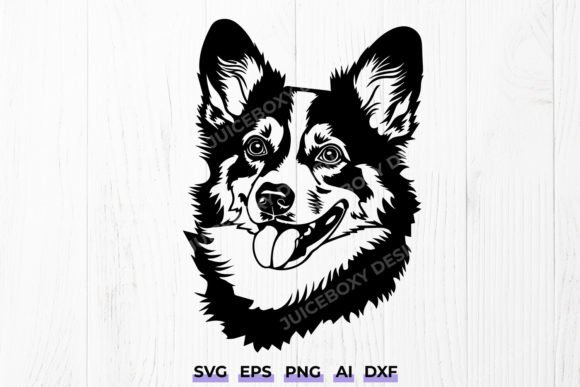
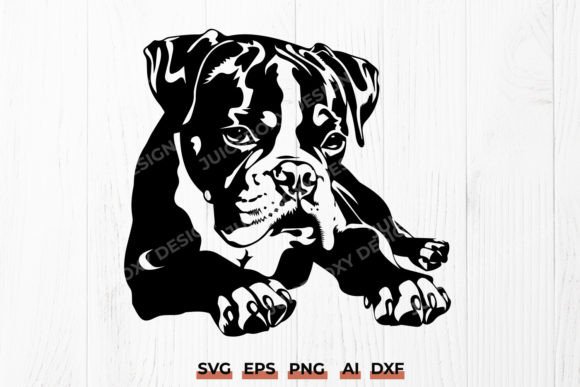
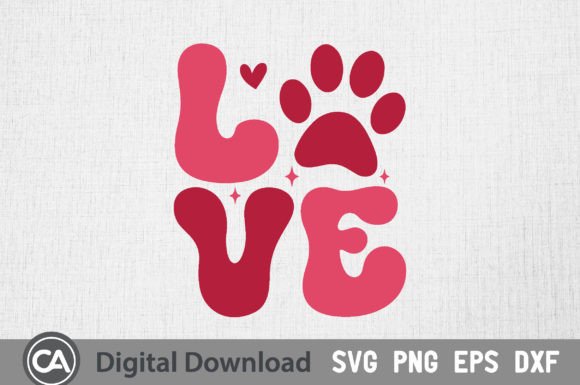
The Dog Valentine SVG gives off a cozy, affectionate mood that works well for Valentine-themed projects without being overly romantic. It feels more like a celebration of companionship than a strictly couples-only design. That broadens its appeal significantly. The dog silhouette or figure is the anchor, and the Valentine elements around it feel complementary rather than overwhelming. From a composition standpoint, the design has a clear focal point, which is critical for embroidery because dense or cluttered areas can cause registration issues or thread breaks. The shapes appear to be well-defined, with enough space between elements to allow for satin stitches, fill stitches, or even applique work if you want to add texture. The visual personality is friendly, approachable, and giftable, which makes it a strong candidate for Etsy sellers, craft business owners, and anyone producing personalized gifts for the holiday season.
Where This Design Shines in Real Embroidery Work
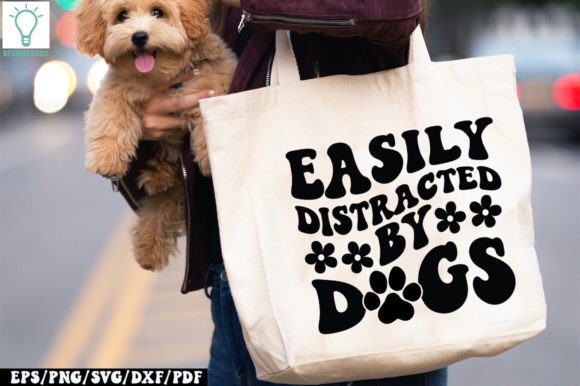
In my test stitching, I placed the Dog Valentine SVG on a medium-weight cotton tote bag, and the results were clean. The design held its shape well, and the stitch paths felt logical. This is a design that naturally fits onto custom apparel like sweatshirts, t-shirts, and even baby clothes, as long as the fabric is stable. The scale works nicely for a chest or sleeve placement on a youth or adult garment. I also tested it on a cotton apron and a pillow cover, and both came out with good definition. For embroidered patch projects, the design’s clear outlines make it easy to cut around and apply. If you are making holiday embroidery items for a craft fair or an Etsy shop, this design can be rotated across multiple product types without losing its charm. The digital embroidery file translates well into both standalone wall art and functional items like kitchen towels or small blankets. The key is matching the design scale to the product so that the details remain readable after stitching.
Products That Benefit from the Dog Valentine Theme
From a small shop product perspective, the Dog Valentine SVG works particularly well on items that people buy as gifts for dog lovers. I have seen similar designs sell well on sweatshirt embroidery and tote bag design projects, especially when the stitching is done in contrasting thread colors. The design also lends itself to baby embroidery if the dog is styled in a cute, simplified way, which this design appears to be. For holiday gifts, this could be stitched onto a personalized gift like a small throw pillow or a child’s apron. The printable mockup potential is also strong; if you sell digital products, this SVG can be used to create mockups for listings before you even stitch the first piece. The design fits naturally into the Graphics category for digital sellers, and the Crafts category for physical product makers. That cross-appeal is valuable for anyone running a craft business or commercial embroidery operation.
Areas Where You Should Use Caution
No design is perfect for every situation, and the Dog Valentine SVG has a few points that deserve attention. If you are working with a small hoop size, say 4x4 or smaller, you may need to reduce the design scale, which could cause fine details to become too dense or lose clarity. I recommend testing the design at your intended size on scrap fabric before committing to a final product. On textured fabrics like fleece or thick sweater knits, the stitch density may need adjustment to avoid puckering. Stretchy fabric like jersey or ribbed knit requires careful stabilizer choice; a cutaway stabilizer is usually safer than tearaway for designs with moderate detail. Dark fabric can also be a challenge if the design relies on subtle outlines or light thread colors. I suggest using a bright thread color or a white underlay to make the dog shape pop. For curved surfaces like caps, the design’s layout should be checked for distortion. If the dog face or Valentine text has a horizontal orientation, it may not curve well on a cap front. Dense stitch areas should be reviewed in your software before stitching, as high-density zones can cause thread breaks or fabric distortion, especially on lightweight materials.
Impact on Visual Appeal, Customer Trust, and Product Value
When a customer buys a handmade product featuring the Dog Valentine SVG, they are looking for something that feels intentional and well-crafted. The design’s clarity directly affects how professional the finished item looks. Stitching clarity is paramount; if the design stitches out cleanly with sharp edges and smooth fills, the product feels premium. That translates to higher perceived value, better reviews, and repeat buyers. For Etsy sellers and handmade shop owners, this design can help build brand consistency if you use it across multiple product categories with the same thread palette. The giftability of the design is high because it is specific enough to feel themed but not so narrow that it only works for one occasion. Customer trust grows when your embroidery consistently looks good, and a well-tested design like this one supports that goal. The finished product should look like it was made with care, not like a mass-produced iron-on. The Dog Valentine SVG has the potential to deliver that handmade feel if you take the time to match it with the right fabric, stabilizer, and thread.
Practical Embroidery Designer Notes Before You Stitch
Before you load the Dog Valentine SVG into your machine, there are a few steps I always take with any new machine embroidery design. First, I test the design on scrap fabric that matches the final product’s weight and texture. This reveals any issues with stitch density or hoop size before I commit to a client piece. Second, I review the thread colors in my software and compare them against the fabric color. A high-contrast palette almost always looks better, especially for Valentine designs where red, pink, white, or black are common. Third, I check the stabilizer type. For most cotton or polyester blends, a medium-weight cutaway stabilizer works well. For stretchy or delicate fabrics, I use a tearaway or a water-soluble stabilizer on top to prevent the stitches from sinking. Fourth, I inspect any small details in the design, such as eyes, noses, or tiny hearts, to make sure they are large enough to stitch cleanly. If they are too small, I may need to enlarge the design or simplify the detail. Fifth, I create a black and white mockup of the design to see how it reads without color. This is especially useful if you plan to stitch it on a light or dark fabric with a single thread color. Finally, I confirm the licensing for the design. The description for Dog Valentine SVG indicates it can be used for making t-shirts, mugs, signs, wall art, birthday cards, stickers, party decorations, frame artwork, scrapbooks, pillows, bags, and many more items. However, I always check whether the license covers commercial embroidery and digital product sales. If you plan to sell finished products or design assets based on this SVG, make sure you understand the terms before listing anything in your shop.
How This Design Fits Into a Real Business Workflow
Let me walk through a real scenario. I run a small custom embroidery business, and a client ordered a set of personalized Valentine tote bags as gifts for her dog-walking group. She wanted each bag to have a different dog breed or a generic dog design that felt warm and festive. I used the Dog Valentine SVG as the base design, adjusted the size to fit a 5x7 hoop, and chose a bright red thread for the hearts and a dark brown thread for the dog outline. The fabric was a natural cotton tote, and I used a cutaway stabilizer. The design stitched out smoothly, with no skipped stitches or registration issues. The client was thrilled, and the bags sold quickly at her local market. That is the kind of real-world performance that matters. The design did not require heavy editing, it scaled well, and it looked good on a functional product. For small business owners and creative entrepreneurs, that reliability saves time and reduces material waste. The Dog Valentine SVG is not a design that fights you during production; it works with your workflow.
Final Thoughts on the Dog Valentine SVG for Your Projects
The Dog Valentine SVG is a solid choice for anyone looking to produce custom apparel, personalized gifts, or handmade products with a Valentine theme. Its mood is friendly, its layout is clear, and its stitching potential is strong across a range of fabrics and product types. The design earns its place in a craft business lineup because it is versatile enough to be used on both apparel decorator projects and home decor items. It also works well for digital product sellers who want to offer printable mockup assets or design assets for other makers. As with any embroidery file, the final result depends on your preparation, stabilizer choice, and thread contrast. But the Dog Valentine SVG gives you a strong foundation to build on. I would recommend it to Etsy sellers, handmade shop owners, and hobbyists who want a reliable Valentine design that stitches well and appeals to dog lovers. Test it on your own fabric, adjust the size for your hoop, and see how it performs in your hands. That is the only way to know if it fits your specific product line. Based on my experience, it is worth the time to try.